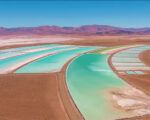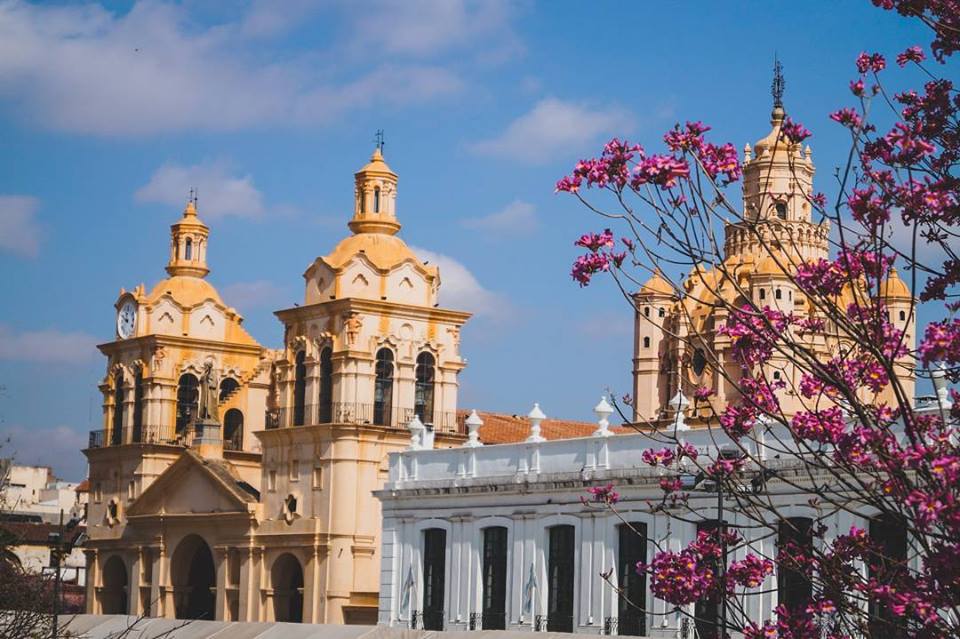
Located in the geographical heart of Argentina is Córdoba, a province that combines colonial history, mountainous landscapes, and a vibrant cultural scene. For Chinese tourists arriving at Ezeiza International Airport in Buenos Aires, Córdoba represents an accessible and fascinating destination that deserves to be included in any South American itinerary.
Ideal Connectivity from Buenos Aires
The distance between Buenos Aires and Córdoba is approximately 700 kilometers, making this province a natural extension of any Argentine tourist route. Visitors arriving at Ezeiza have multiple options to continue their journey to Córdoba:
By Air: The flight time from Buenos Aires to Córdoba is approximately 1 hour and 30 minutes, with 105 weekly flights connecting the two cities. This is the most convenient option for international tourists with limited time.
By bus: For those who prefer a more economical experience and wish to observe the landscape of the Argentine pampas, there are multiple daily direct buses—or buses with intermediate stops—that depart from the Retiro Bus Terminal and arrive at the Córdoba Bus Terminal. Services operate daily, and the trip takes approximately 9 hours and 40 minutes.
By car: The trip by car can take around 8 to 10 hours, depending on traffic and weather conditions, offering the opportunity to explore different places of interest along the way.
Conveniences for Chinese visitors
In a favorable context for bilateral tourism, Chinese tourists can enter Argentina without a visa or Electronic Travel Authorization (ETA), at no cost, provided they hold a valid visa for entry into the United States. This measure significantly simplifies access for Chinese tourists to the country.
From June 1, 2025, to May 2026, Argentinians will not need a visa to enter China and can stay for up to 30 days, strengthening tourism ties between the two nations and facilitating cultural exchanges.
World Heritage Site: The Jesuit Estancias
One of Córdoba’s main attractions for cultural tourism is its Jesuit legacy. In late 2000, UNESCO declared the Jesuit Block and the Estancias Route a World Heritage Site. These Córdoba estancias encapsulate centuries of Argentina’s colonial history, built between 1616 and 1725 by the Jesuits to financially support their evangelizing work in the region.

This historical circuit offers Chinese visitors a unique perspective on Spanish colonization in South America and presents an interesting parallel with China’s rich imperial history, allowing for cultural dialogue on colonial architecture, religious expansion, and the development of self-sufficient communities.
The city of Córdoba: Tradition and Modernity
The provincial capital is the second most populous city in the country and presents a fascinating balance between the old and the new. Traditional yet modern, cultural and historical from every angle, where the Spanish and Jesuit legacy is showcased through its estates and churches, Córdoba boasts one of the most important hotel sectors in the country, along with a robust infrastructure of services and expert providers.
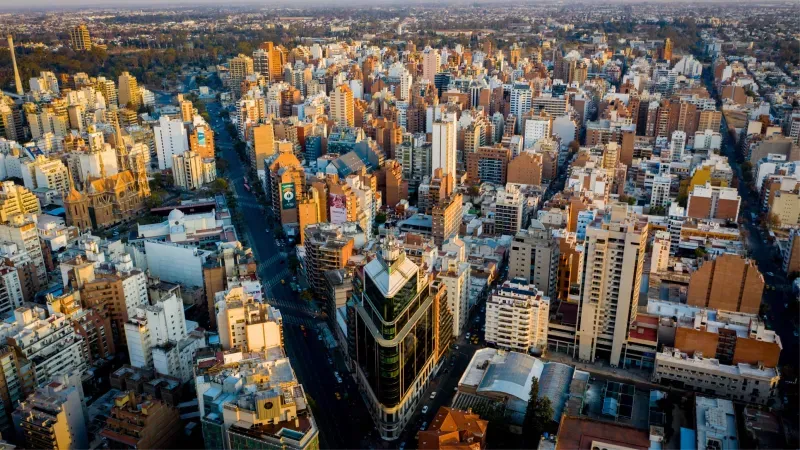
In recent decades, the city has experienced remarkable growth in its hotel infrastructure, especially in the 4- and 5-star segment, which has strengthened its position as a destination for business tourism, conferences, and events. This modern infrastructure is particularly attractive to Chinese tourists seeking comfort and international-quality services.
The Sierras: Nature and Adventure
The mountain range of Córdoba offers spectacular landscapes that contrast with the large coastal cities. Córdoba boasts stunning roads that traverse the various mountain ranges, such as the famous Sierras Chicas, Sierras Grandes, Traslasierra, and the Camino de las Altas Cumbres (Road of the High Peaks).
Villa Carlos Paz
Villa Carlos Paz is a summer magnet and one of the country’s main tourist destinations throughout the summer season, not only because of its incredible natural attractions but also because of its wide variety of entertainment.
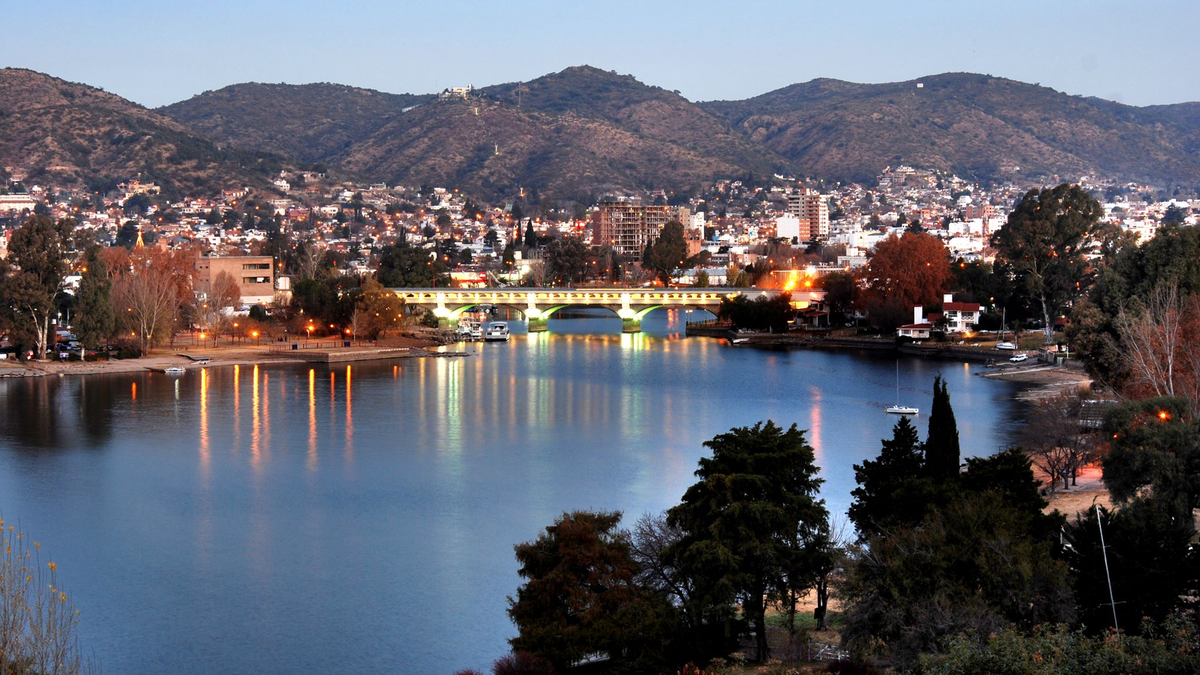
This mountain town offers activities for all tastes, from water sports to theater and nightlife.
La Cumbrecita: an alpine haven in Argentina
La Cumbrecita is Argentina’s only pedestrian village. Its tranquil pace, direct contact with nature, and outdoor activities have garnered admiration from many countries around the world.
This unique destination offers an experience of tranquility and connection with nature that is especially appealing to visitors seeking to escape the fast pace of big cities.
Capilla del Monte and Cerro Uritorco
For those interested in mystical and natural phenomena, the emblematic Cerro Uritorco is located in the northern Punilla Valley. This easily accessible peak is steeped in legends about extraterrestrial energy.
This site has captured the imagination of visitors from all over the world and represents a unique experience that combines hiking with mystery.
Traslasierra Valley: unparalleled natural beauty
Nestled among majestic hills and picturesque river resorts, the circuit connecting Villa Cura Brochero, Mina Clavero, and Nono forms a highly attractive tourist destination. The lush greenery that dominates the region and the majestic Sierras Grandes at its feet create a visually stunning landscape.
Mina Clavero boasts three rivers and countless unmissable streams. With its shimmering, crystal-clear waters, the Mina Clavero River has been declared one of the Seven Natural Wonders of Argentina. The rivers and streams offer natural swimming areas, deep pools, natural slides, and waterfalls, perfect for enjoying during the summer months.

Córdoba continues to grow as a wine tourism destination, with 42 wineries open to the public that combine wine, scenery, and gastronomy in unique experiences. This wine offering represents an exceptional opportunity for Chinese tourists interested in learning about Argentine wine production, building bridges with the growing wine culture in China.
Authentic gastronomy
Córdoba’s cuisine has distinctive characteristics that deserve to be explored. One feature of Córdoba’s traditional cuisine is the empanada cordobesa, which is sprinkled with sugar on the outside and filled with boiled potatoes—a unique combination that surprises international visitors.
The famous «lomito cordobés,» a steak sandwich with various toppings, has become an icon of the local culinary identity. The city’s restaurants offer everything from traditional Argentine grills to contemporary gastronomic offerings.
Festivals and cultural events
Every October, visitors’ attention turns to Villa General Belgrano, whose National Beer Festival attracts enthusiasts from all over Argentina and the world. In the Cordoban city of Cosquín, the national capital of folklore, the festival of traditional music and dances stands out, as does the more recent Cosquín Rock festival.
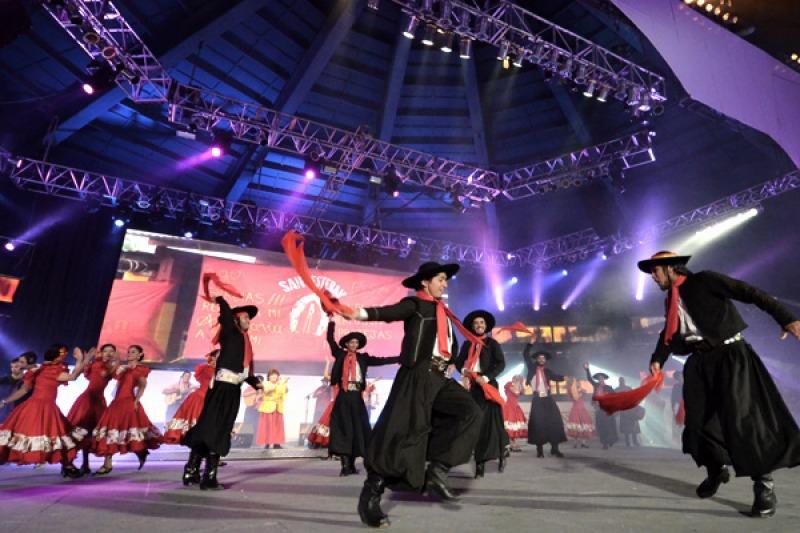
These massive events offer international tourists the opportunity to immerse themselves in Argentine popular culture and experience authentic moments alongside locals.
Cerro Champaquí: A challenge for mountaineers
Champaquí is the highest peak in Córdoba. At an impressive 2,790 meters, it is an attractive destination for mountaineering and nature lovers. For Chinese tourists with experience in high-altitude trekking, especially those familiar with the mountain landscapes of Tibet or the western provinces of China, Champaquí offers a comparable challenge in South America.
Laguna Mar Chiquita: A bird paradise
Miramar is known for being the only town on the shores of Laguna Mar Chiquita. This destination in northeastern Córdoba is a paradise for birdwatching, water sports, gastronomy, and nature in Ansenuza.
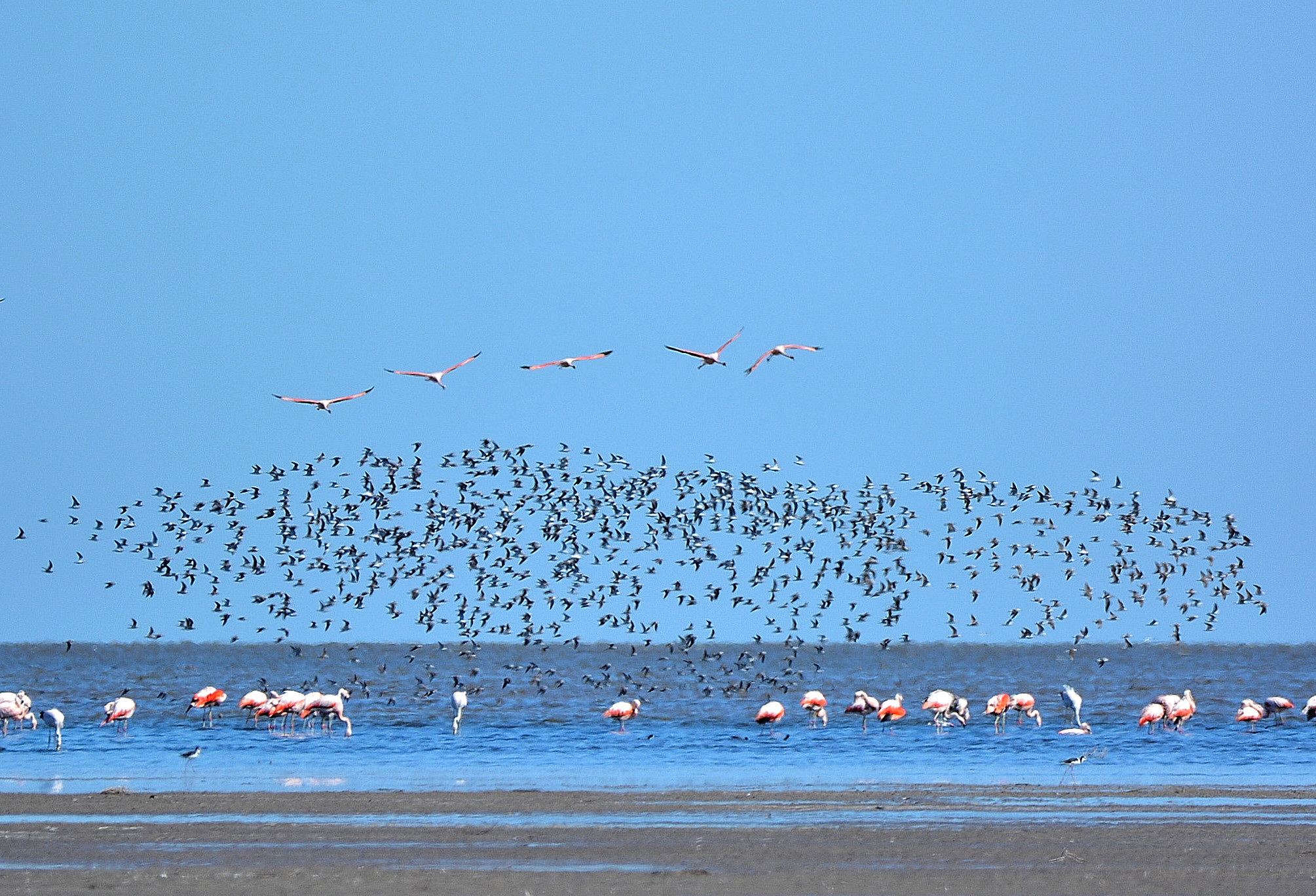
Chinese tourists interested in birdwatching and ecotourism will find this wetland an extraordinary experience.
Practical Considerations for Chinese Tourists
Córdoba boasts a well-developed tourism infrastructure, including modern shopping centers, efficient transportation services, and a wide range of accommodation options. There are several shopping options: explore the hundreds of shops in the city center, visit the exclusive boutiques in Nueva Córdoba, Cerro de las Rosas, and Villa Belgrano, or visit any of the city’s shopping malls.
Climate: Córdoba enjoys a temperate climate with four distinct seasons. Summers (December to February) are hot and ideal for enjoying the mountain resorts, while winters (June to August) are mild, perfect for cultural excursions.
Language: While Spanish is the predominant language, English-speaking staff are available in higher-end hotels and major tourist centers. Downloading translation apps is recommended to facilitate communication.
Currency: The official currency is the Argentine peso. It is recommended to carry cash, although international credit cards are widely accepted in tourist establishments.
International connections: Córdoba Airport (Ingeniero Ambrosio Taravella) receives international flights and has good connections to Buenos Aires, from where intercontinental flights operate.
Córdoba in the context of a South American tour
For Chinese tourists planning to travel through several South American countries, Córdoba offers a strategic location. Its central location facilitates access to Chile (crossing the Andes Mountains), northern Argentina (Salta, Jujuy), and Patagonia. This connectivity makes it an ideal starting point for exploring the region.
The province also offers the opportunity to experience «deep Argentina,» far from the mass tourist circuits of Buenos Aires or Iguazu Falls, allowing visitors to discover the authenticity of the Argentine interior, its hospitable people, and its deep-rooted traditions.

Fanático de Asia, periodista part-time.